Nyhed
Grass breakthrough can become a food and farming adventure
Lagt online: 11.09.2025
Nyhed
Grass breakthrough can become a food and farming adventure
Lagt online: 11.09.2025
Grass breakthrough can become a food and farming adventure
Nyhed
Lagt online: 11.09.2025
Nyhed
Lagt online: 11.09.2025
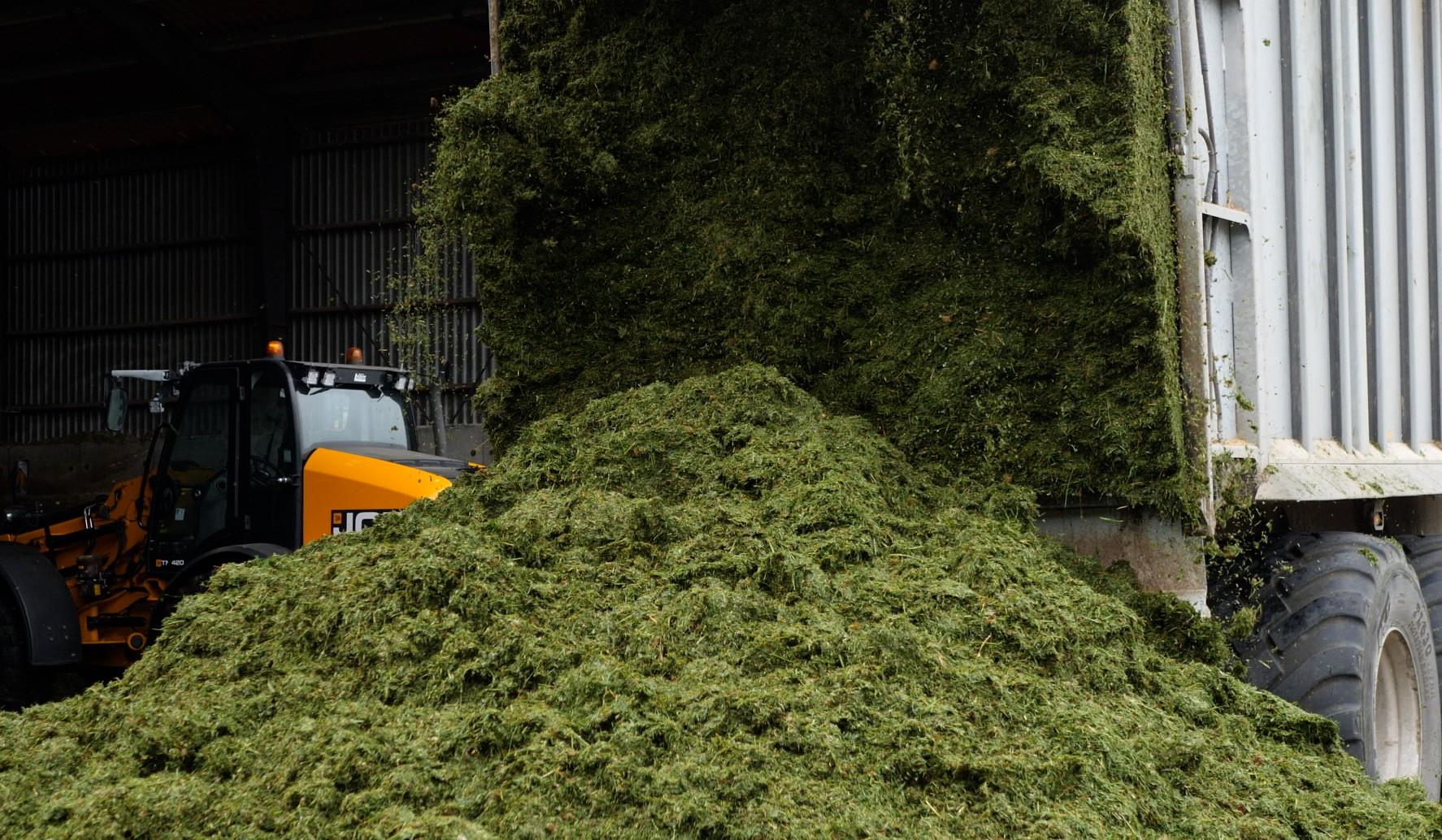
By David Graff, AAU Communication and Public Affairs. Photo: Hans Øbing-Safar, SEGES Innovation
It was a crucial threshold to cross when Professor Mette Lübeck and her team at Aalborg University recently succeeded in extracting protein from clover grass, removing the grass taste and smell and at the same time preserving the amino acids in the proteins that we need and otherwise get from meat.
The breakthrough makes it commercially interesting to replace whey, soy and animal proteins with grass protein in, for example, ice cream, cake, yogurt and protein drinks, and in the long term develop protein-containing products that can replace meat.
This is the conclusion reached today by CEO Steen Bitsch, Vestjyllands Andel, Head of Department Lars Villadsgaard Toft, SEGES Innovation, and professor Mette Lübeck from Aalborg University in a joint op‑ed.
"Of course, we are pleased with this research breakthrough, which hopefully helps pave the way for grass protein's enormous potential to be fulfilled and in the long term can become the new must-have ingredient on the dinner table," says Steen Bitsch.
Mette Lübeck and her team believe that grass protein has a future as a natural ingredient in the food industry and can be an important step towards a more plant-based diet.
Lars Villadsgaard Toft agrees that grass protein is a promising option for future food production.
"At the same time, the collaboration between research, industry and agriculture on grass protein is interesting in itself, because the joint effort gives us the opportunity to try to produce food in environmentally sensitive areas," he believes.
In Steen Bitsch's words, the collaboration makes "2+2 equals 5":
"It is a hugely motivating synergy creation across sectors, the research industry and organisations, and a textbook example of the potential when agriculture works bio-circularly and utilises resources in the best possible way," he explains.
Dean Jesper Wengel from the Faculty of Engineering and Science recognises the potential of the collaboration and points to even greater perspectives:
"No societal actor can single-handedly make climate change, water pollution, global food shortages and so on disappear. But when we collaborate across the business community, universities and the political level, we have a chance to make a positive difference. The collaboration on grass protein is a good example of this," he assesses.
Jesper Wengel points out that grass has been highlighted by the Minister for the Green Tripartite Cooperation, Jeppe Bruus, as one of the key elements in transforming and future‑proofing Danish agriculture and food production. He also notes that grass cultivation is recognised as a means of reducing nitrogen leaching and lowering CO₂ emissions.
Professor Mette Lübeck adds further perspectives:
"The protein in the grass that can be used for human consumption is the so-called photosynthesis protein. It is also found in a wide variety of other green-leaved plants such as beets, carrots, potatoes, hemp, and cassava. These plants are the next in line of possible protein suppliers for food in not only Denmark, but all over the world. Thus, the protein also promises to be able to be part of the fight against the world's food shortage," she elaborates.
Lars Villadsgaard Toft, Steen Bitsch and Mette Lübeck unanimously point out that grass protein has an undoubted potential as an ingredient in the future in Danes' food when it is approved as a "novel food" under the auspices of the EU.
And should there be a lack of further arguments to convince agriculture and the food industry to seize the ball beyond the synergy with the current climate and environmental policy and the prospect of a new and untapped market, Mette Lübeck has them ready:
"Clover grass is already a well-known crop for farmers, who today grow it as roughage for cows, sheep and horses, while it is also included as feed protein for pigs and chickens via green biorefining. At the same time, it is a very yielding crop that can be grown without the use of pesticides, with less or no fertilizer, and which can be harvested even after long periods of drought thanks to a deep root system," she says and continues.
"Add to this the fact that perennial clover grasses, with their long growing season, make much better use of sunlight throughout the season compared to annual plants. They can thereby achieve higher dry matter and protein yields per hectare than other agricultural crops."
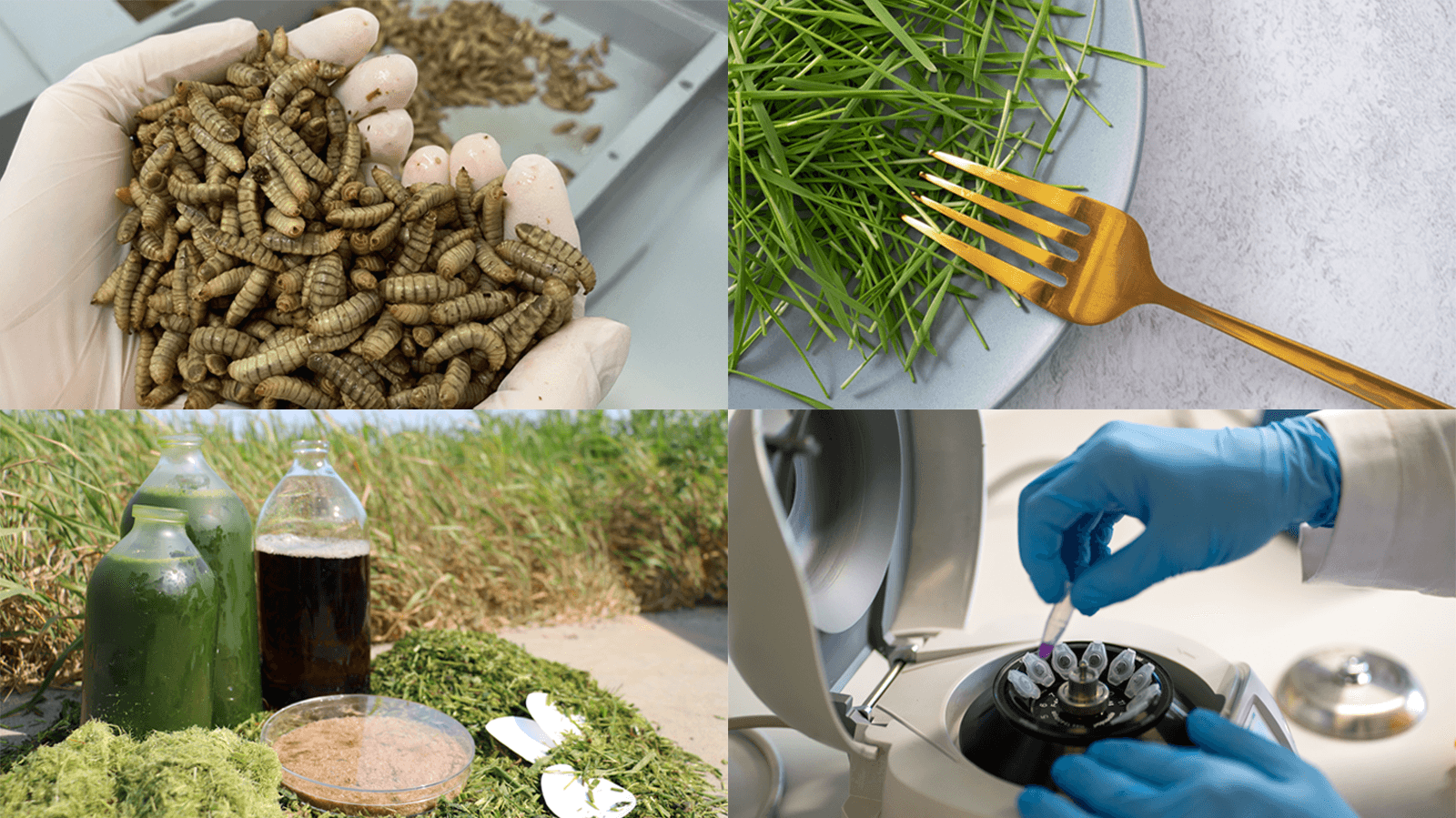
How do we get enough sustainable protein for a growing world population? At Aalborg University, we develop solutions for protein from, for example, grass and insects, and we develop methods for converting residues into food using fungi and precision fermentation.