Department of Chemistry and Bioscience
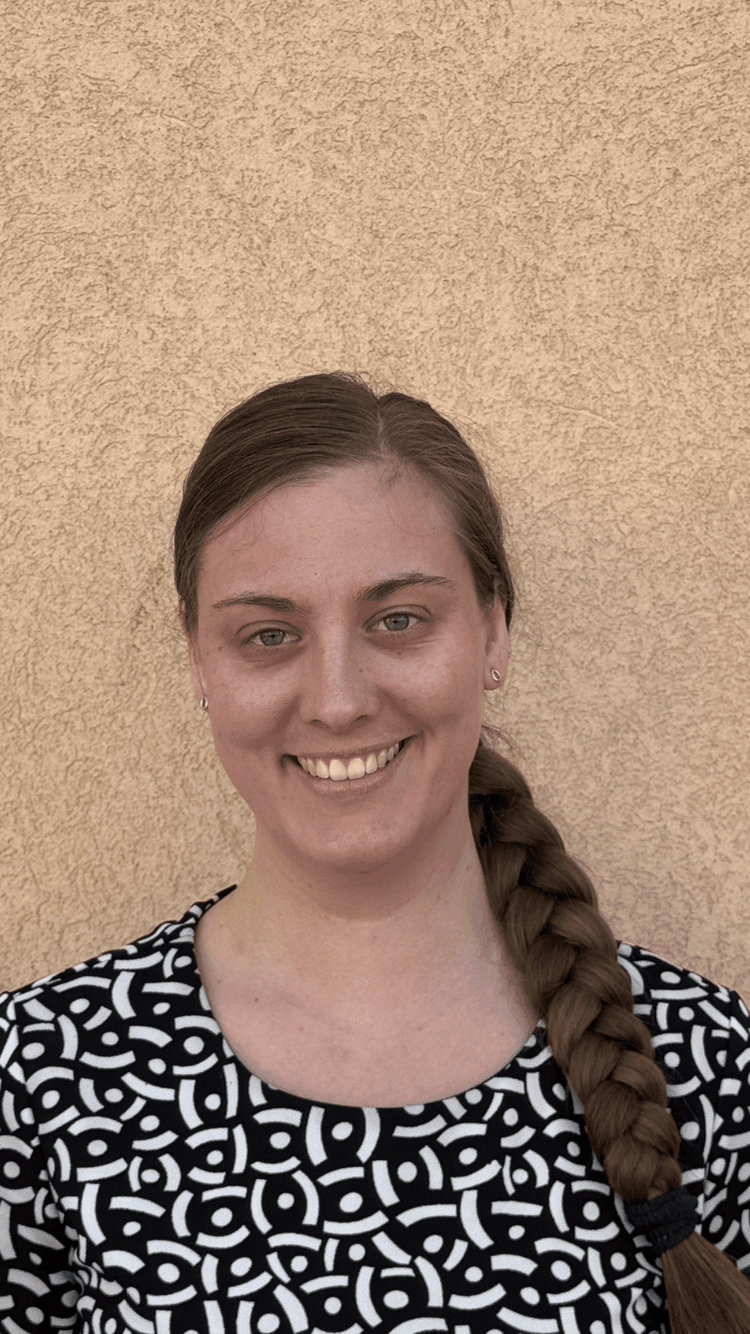
PhD Defence by Malene Heilskov Veje
Frederik Bajers Vej 7H, 9220, Aalborg Ø, Room 3.122-8
11.11.2025 Kl. 13:00 - 15:30

English

On location
Frederik Bajers Vej 7H, 9220, Aalborg Ø, Room 3.122-8
11.11.2025 Kl. 13:00 - 15:30
English
On location
Department of Chemistry and Bioscience
PhD Defence by Malene Heilskov Veje
Frederik Bajers Vej 7H, 9220, Aalborg Ø, Room 3.122-8
11.11.2025 Kl. 13:00 - 15:30
English
On location
Frederik Bajers Vej 7H, 9220, Aalborg Ø, Room 3.122-8
11.11.2025 Kl. 13:00 - 15:30
English
On location
Abstract
Introduction
While the perfusion cell cultivation processes have gained considerable interest within the field of upstream bioprocessing, it necessitates the use of a cell retention device. Often, membrane filters are preferred for this purpose. However, filter fouling continues to pose a significant challenge.
Research Aim and Scope
This thesis investigates the mechanisms and consequences of fouling during Alternating Tangential Flow (ATF) operations, with the aim of enhancing the efficiency and performance of filtration systems in upstream biopharmaceutical manufacturing.
Thesis Structure
The thesis contains two introductory chapters that provide a fundamental understanding of bioprocessing and membrane filtration. This is followed by a comprehensive literature review designed to elucidate the existing knowledge related to fouling phenomena in filtration processes in perfusion cell cultivations.
Experimental Studies
Subsequently, a series of experimental studies were conducted to gain more knowledge on the fouling process, as well as investigating novel strategies to mitigate fouling by Cleaning In Place (CIP) of the membrane. The assessment of fouling mechanisms comprised both short-term and long-term analyses, performed during cultivation and complemented by a post-analysis of the membranes.
Key Findings on Fouling Behavior
Key findings indicate that for an asymmetric polysulfone (PS) hollow fiber (HF) membrane, the critical flux was not exceeded during tests at fluxes of up to 69 liters per square meter per hour in a short-term study (< 3.5 hours). Despite operating below the critical flux threshold, significant fouling was observed in longer filtrations.
Fouling Mitigation through CIP
A novel CIP method was implemented for fouling mitigation, demonstrating its effectiveness in enhancing product transmission and prolonging the operational lifetime of the membrane. Furthermore, the Critical Quality Attributes (CQAs) of the products remained unaffected by the CIP procedures. The CIP procedure was tested for three different bioprocesses, using three different membranes, thereby highlighting the applicability of this method.
Evaluation of Membrane Types
In addition, various membrane types were evaluated. Asymmetric PS HF membranes consistently showed superior transmission compared to the tested tubular ceramic membranes, which exhibited limited transmission. Staining of the PS membranes revealed varying amounts and/or types of fouling agents within the membrane’s depth, while intact cells were predominantly detected in the outer layer. Interestingly, for the PS membrane, it was discovered that higher membrane fluxes corresponded to increased membrane capacity.
Implications and Future Work
The insights of fouling mechanisms gained from this thesis could be used to optimize the membrane performance in perfusion cell cultures. Nonetheless, further research is still needed to map the exact fouling mechanism in ATF processes. Overall, this work underlines the necessity of addressing fouling in ATF systems to support the advancement of more effective and sustainable biopharmaceutical production methods in the future.
Attendees
- Associate Professor Cristiano Varrone (chair), Aalborg University, Denmark
- Professor Bing Wu, University of Iceland
- Professor Manuel Pinelo, Technical University of Denmark
- Associate Professor Mads Koustrup Jørgensen, Aalborg University
- Professor Peter Kristensen, Aalborg University